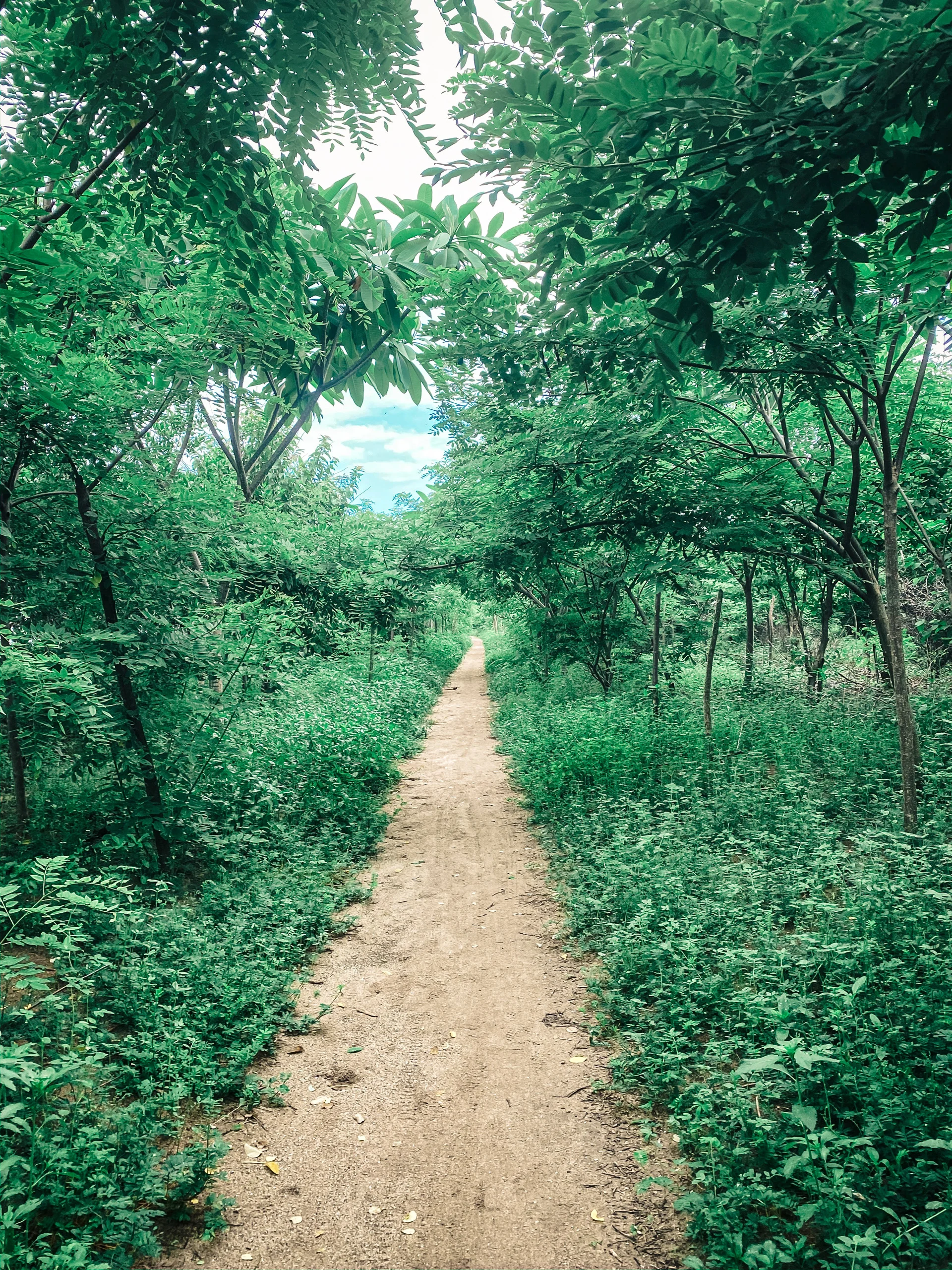
Guests mention it around day three. Something shifts. They sleep better. They eat a lot and don't feel heavy. They lose track of the afternoon. It's easy to put it down to holiday brain — the relief of being somewhere beautiful with nowhere to be. But the researchers who came here in the early 2000s found something more specific than that.
The Nicoya Peninsula, which stretches south from Nosara along Costa Rica's Pacific coast, has one of the highest concentrations of centenarians in the world. Not people clinging on — people in their nineties and early hundreds still walking to the market, still cooking, still tending chickens. Dan Buettner, writing for National Geographic, called it a Blue Zone. He found four others: Okinawa, Sardinia, Ikaria, a Seventh-day Adventist community in Loma Linda, California. Then he spent years trying to figure out what they all had in common.
What he found
The answer, when it came, was frustratingly ordinary. Movement built into the day rather than scheduled around it. A reason to get up in the morning — the Nicoyans have a phrase for it, plan de vida, life plan. Food that's mostly plants, eaten slowly, and not quite to the point of fullness. Strong family ties. A community you actually know. And something harder to measure: the felt sense that you don't have to be anywhere other than where you are.
No supplements. No programme. Just a way of living that the place had made effortless.
The design thing
What stuck with us, reading the research, is that the people in Blue Zones weren't making longevity choices. They weren't thinking about cortisol levels or centenarian statistics. They were just living the way their surroundings made easiest.
In Nosara that means: the beach is five minutes away, so you walk there. The market sells what came in this morning, so you eat that. You know the person selling it, so you stop and talk. Lunch takes longer than you planned. You lose track of the afternoon. Nobody's rushing anywhere, and eventually neither are you.
"They weren't thinking about cortisol or centenarians. They were just living the way their surroundings made easiest."

How people move here
Nobody here calls surfing a workout. Or the bike ride into town. Or the long walk back from the beach with wet hair and a bag of mangoes from the market. That's just the morning. Yoga classes are open-air, with whatever's happening in the jungle coming through. The kids swim for hours. The adults do eventually too.
The researchers called it natural movement — activity so knitted into daily life that it doesn't register as exercise. We'd just call it what happens when you live somewhere that makes staying inside feel like a waste.
Our guests notice it by about day four or five. They stop checking their phones on the walk down. They start taking the long way back.
The food
Gallo pinto — rice and beans, together, at most meals. Fresh fruit for breakfast. Fish that came in last night. The local sodas, which are the small family restaurants that have been here longer than the surf schools, serve whatever was bought that morning. The menu is short. The food is good. Nobody's trying to impress you.
Nutritionists who've looked at traditional Nicoya eating habits call it one of the most balanced diets documented anywhere — high in fibre, low in processed food, built around legumes and vegetables. The people eating it don't call it anything. It's just lunch.
The town
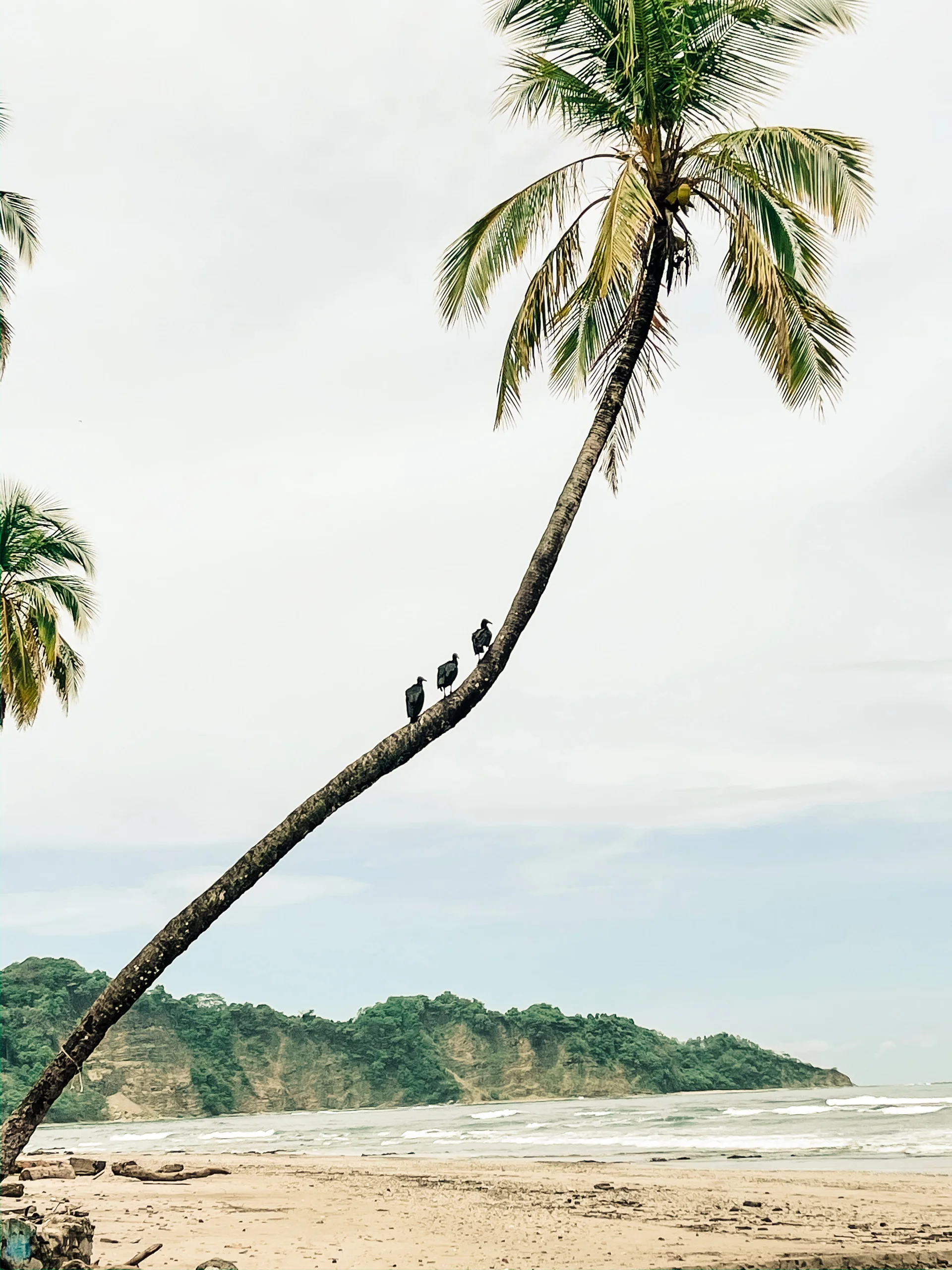
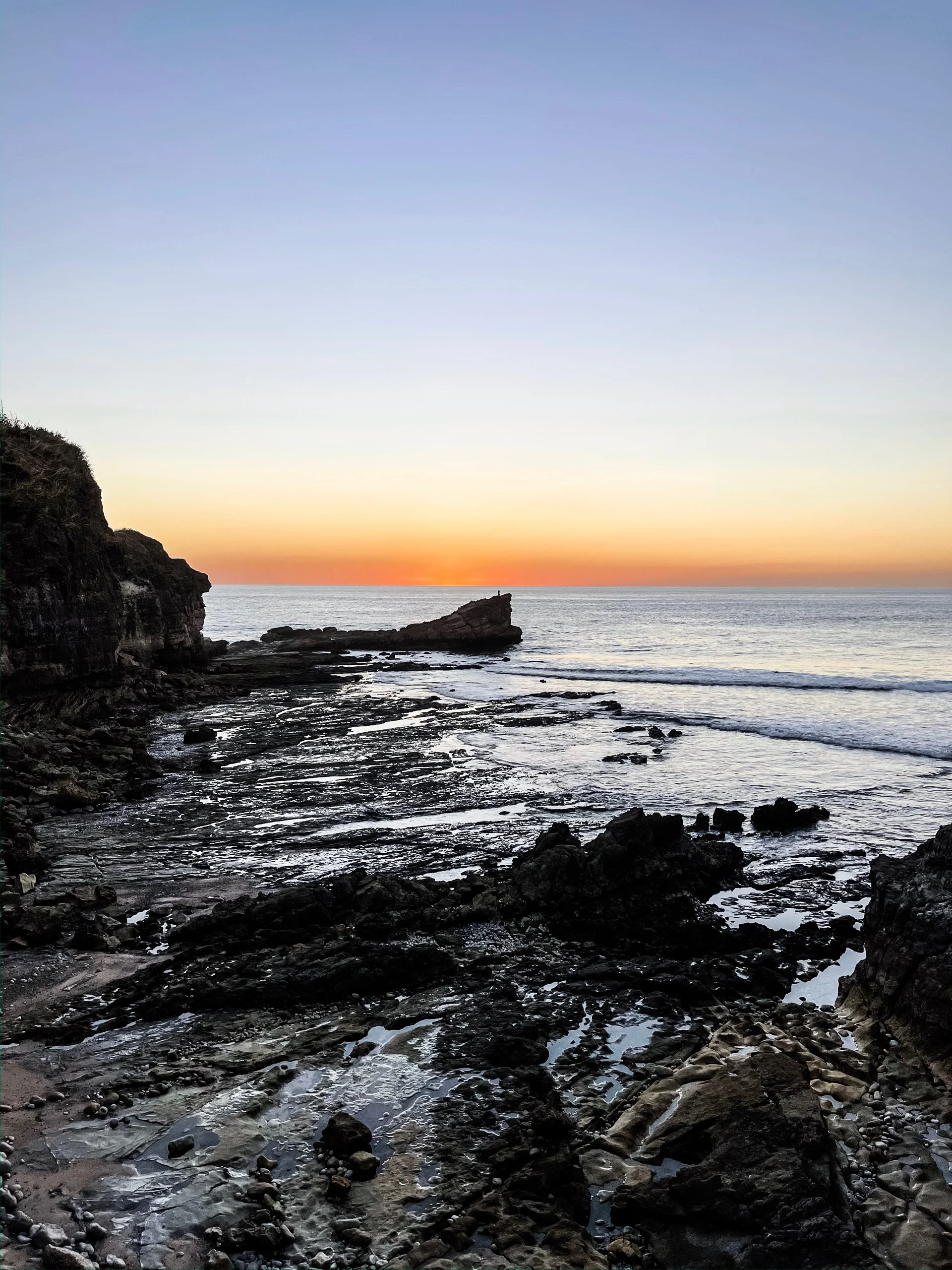
Nosara is small — maybe six thousand people in the broader area, a mix of Costa Rican families who've been here for generations and people from elsewhere who came for a trip and never sorted out a return date. It has the feel of a place where you get recognised. The woman at the market. The guy who rents the boards. The parents on the beach whose kids played with your kids yesterday.
The centenarians researchers interviewed in Nicoya had measurably lower stress markers than city-matched peers. Not because their lives were easier — many had lost people, gone without things. But there was a quality of belonging that seemed to cushion it. The grief was real; the isolation wasn't.
You feel something like that here. It takes a few days to notice it, and longer to realise what it was you'd been missing.
Pura Vida
It's on the keychains. It's on the bumper stickers. Pura Vida — pure life — is Costa Rica's national phrase, and yes, a cliché. But it describes something that's actually there: a low-level resistance to urgency that runs through how people here structure their days. Rest isn't something you earn. Lunch is allowed to be long. You don't apologise for stopping to watch something.
The researchers found versions of this in all five Blue Zones — not a philosophy anyone was consciously practising, just an attitude the culture had built in. You couldn't manufacture it. You could go somewhere it already existed.
What we notice
By the end of most weeks, the guests who arrived tense have loosened. Not from relaxation exactly — more like recalibration. The things that felt urgent at the airport feel further away. Sleep is better. Mornings are wanted rather than managed.
We'd be overstating it to say a week here changes your biology. But we've watched enough people leave different from how they arrived to believe something is happening — in the water, in the air, in the fact of being somewhere that doesn't demand very much of you.
Come and see what it does to you.
From Playa Guiones,
The Nalu Nosara teamNosara is one of five places in the world where people live measurably longer. Come and feel the difference for yourself.
Find Your Dates